
Motivation
Human health and well-being this century are likely to be defined by societal challenges that are essentially biological in nature. Evolutionary biology has the potential to address many of these challenges.
These challenges include:
- The effects of climate change and biodiversity loss on populations and ecosystems
- The emergence and spread of novel pathogens
- How to encourage sustainable behaviour in human societies
- The responsible and effective use of AI
- The value of genetic information in predicting morbidities and healthcare needs
- The negotiation of creative and equitable relationships through an understanding of the evolution of cooperation and conflict
A key role of learned societies is also to counter disinformation, and to promote policy based on evidence.
Fostering a greater appreciation for the potential impact of evolutionary biology research will help evolutionary biologists prepare for alternative career paths, increase the visibility of such career opportunities, and strengthen the capacity for evolutionary biology to contribute to solutions to societal issues, as well as impact on these societal challenges themselves.
These efforts will also help increase the number of ESEB members that are involved with policy, and strengthening ESEB’s capacity to contribute to and influence public discourse on societal issues.
Remit of the committee
The remit of the ESEB committee is to:
- Facilitate activities that focus on policy and/or societal impact of evolutionary biology research, organized by ESEB members.
- Enhance the visibility of policy to the evolutionary biology community, both in terms of career possibilities and potential impact of their research.
- Provide opportunities for ESEB members to explore, discuss, and become involved in policy.
- Defend the value of science-driven solutions to societal issues, e.g. climate change, biodiversity loss, and disease risk.
Membership of the committee
Any ESEB members can make their interest in membership of the committee known through submission to the Teams or Slack website, or by registering their interest at any time by registering via this Google Form https://forms.gle/XkA7qkuAZ5Yf6Cb98. Their membership will then be considered when a vacancy appears in the Policy Committee.
Current committee members

Jon Bridle, chair
University College London, UK

Rui Faria
University of Porto, PT
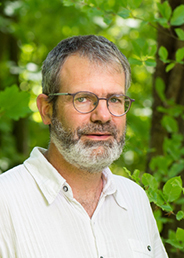
John Pannell
University of Lausanne, CH

Marjo Saastamoinen
University of Helsinki, FI

Martijn Schenkel
University of Wageningen, NL

Volunteers welcome
Annual Call Open!
Policy and Evolutionary Biology Funds 2026
Deadline: Wednesday, 30 September 2026, 23.59 UTC.
Please visit the website of the Policy and Evolutionary Biology Funds for further information.